In fast-moving workforce environments, delays create problems.
A missed shift.
An employee running late.
An unresolved incident.
A last-minute roster change.
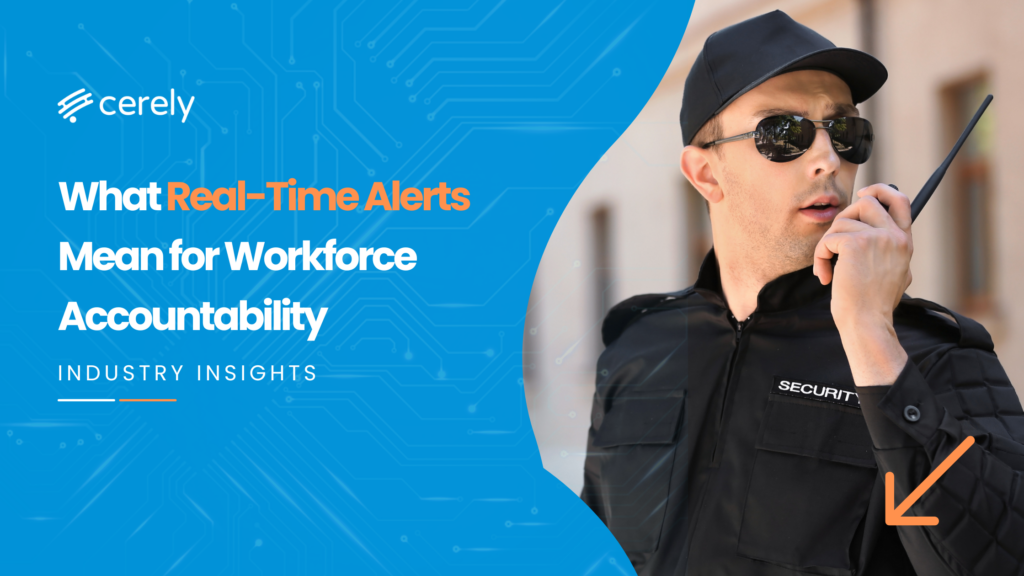
When businesses don’t know about operational issues until after the fact, small problems can quickly become larger ones. That’s why real-time alerts are becoming an essential part of workforce management. They help businesses move from reactive operations to proactive oversight.
Accountability Starts With Visibility
Accountability isn’t about micromanagement. It’s about ensuring the right people have the right information at the right time.
Without visibility, managers are forced to rely on delayed updates, manual check-ins, or fragmented communication. This slows response times and makes it harder to maintain operational consistency.
Real-time alerts change that. They allow managers to stay informed about workforce activity as it happens.
Why Delayed Communication Creates Risk
Many workforce-heavy businesses still rely on manual communication processes.
Employees call supervisors directly.
Managers send group messages.
Updates get buried in emails.
The problem is that important information can easily be missed.
When delays occur, businesses may experience:
- Missed coverage at client sites
- Slow responses to incidents
- Reduced workforce accountability
- Increased operational confusion
- Frustrated clients
- Greater compliance risk
Real-time alerts help close those communication gaps.
What Real-Time Alerts Can Improve
Faster Response Times
Managers can respond to issues immediately instead of discovering them hours later.
Better Workforce Oversight
Businesses gain greater visibility into attendance, schedule changes, and site activity.
Improved Team Coordination
Office teams and field workers stay aligned through centralised communication.
Stronger Client Service
Clients benefit from quicker resolutions and more reliable workforce management.
Proactive Operations vs Reactive Operations
Reactive operations often create unnecessary stress for teams. Managers spend their day putting out fires instead of improving performance.
Real-time alerts help shift operations into a more proactive model. Instead of waiting for problems to escalate, businesses can identify issues earlier and take action faster. That creates better outcomes for employees, managers, and clients alike.
Real-Time Accountability Without Complexity
One of the biggest misconceptions about workforce technology is that it adds complexity. In reality, the right systems simplify communication and reduce manual follow-up. When alerts, updates, and reporting are centralised, businesses spend less time chasing information and more time making decisions.
Workforce accountability depends on visibility, communication, and timely action.
Real-time alerts help businesses stay connected to operations without relying on outdated or fragmented communication processes. For organisations managing multiple employees, sites, or clients, faster awareness often leads to faster resolution. And in workforce-heavy industries, that can make all the difference.
Cerely helps security businesses improve operational oversight through real-time alerts, workforce visibility, incident reporting, and centralised communication tools designed for fast-moving guarding environments.
If your team is still relying on spreadsheets, manual check-ins, or disconnected systems to manage operations, now is the time to explore a more connected approach. Book a demo with Cerely to see how real-time workforce management can help your security operations stay proactive, accountable, and client-ready.