For security guarding companies, operational visibility is everything.
Whether you’re managing crowd controllers, static guards, mobile patrol officers, concierge security, event security, or guards across multi-site operations, your ability to make informed decisions depends on having accurate information available in real time.
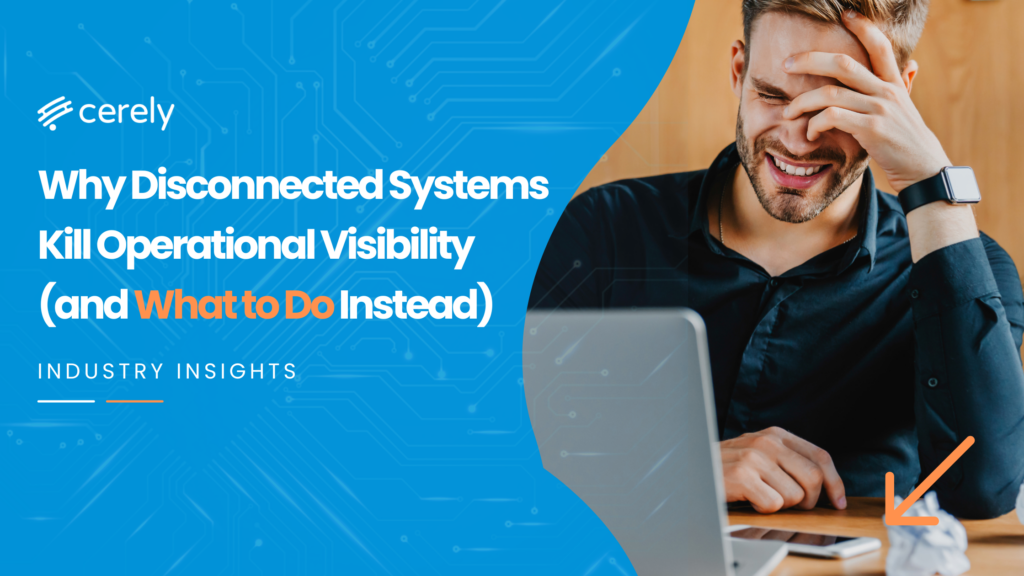
But for many businesses, critical operational data is scattered across disconnected systems. Rosters live in spreadsheets or generic rostering systems. Payroll is housed on another platform. Client notes are stored in emails. Incident reports are buried in folders. Field communication happens through text messages.
The result? Delays, confusion, duplicated work, and operational blind spots and a lot of time wasted.
The Real Cost of Disconnected Systems
Disconnected systems don’t just create inconvenience. They create risk.
When information isn’t centralised, businesses struggle to:
- Respond quickly to operational issues
- Track workforce activity across sites
- Maintain accurate records
- Keep teams aligned
- Deliver consistent client experiences
- Identify problems before they escalate
Managers end up spending more time chasing information than making decisions. And in industries where timing, compliance, and accountability matter, that can quickly impact both profitability and reputation.
Why Visibility Matters More Than Ever
Security operations move quickly and often unpredictably.
Shift changes happen in real time. Employees move between locations. Clients expect fast responses. Compliance requirements continue to grow.
Without operational visibility, businesses are forced into reactive decision-making. Instead of proactively managing operations, teams are constantly trying to catch up.
That’s where centralised workforce management makes a difference.
What Centralised Visibility Looks Like
When systems are connected, businesses gain a clearer picture of what’s happening across operations.
Instead of switching between multiple tools, managers can:
- View workforce activity in one place
- Monitor attendance and site coverage in real time
- Track incidents and field updates instantly
- Access client and employee information quickly
- Generate reports without manual consolidation
- Improve communication between office and field teams
This level of visibility allows businesses to respond faster, reduce errors, and improve operational consistency.
The Benefits Go Beyond Efficiency
While reducing admin time is important, operational visibility creates broader business value.
Better Accountability
Managers can identify issues earlier and ensure teams remain aligned across all sites.
Faster Decision-Making
Access to real-time information allows businesses to respond quickly instead of relying on outdated reports.
Improved Client Confidence
Clients value responsiveness, transparency, and consistent service delivery.
Reduced Operational Risk
Centralised reporting and communication help reduce missed shifts, gaps in coverage, and information silos.
Moving Away From Reactive Operations
Many businesses don’t realise how much operational friction disconnected systems create until they experience a more integrated approach.
The goal isn’t simply to digitise processes. It’s to create a connected operation where information flows efficiently between teams, sites, and decision-makers. When that happens, businesses spend less time managing chaos and more time improving performance.
Operational visibility is no longer a luxury for workforce-heavy industries. It’s a requirement for businesses that want to scale efficiently, improve accountability, and deliver better service.
Disconnected systems create blind spots. Connected systems create control.
Cerely helps businesses centralise workforce operations through integrated rostering, workforce management, reporting, and communication tools designed for real-world operational environments.
If your team is still managing operations across multiple disconnected platforms, now may be the right time to rethink how visibility fits into your business. Book a demo with us today to learn how we can help you regain control of your operations.